

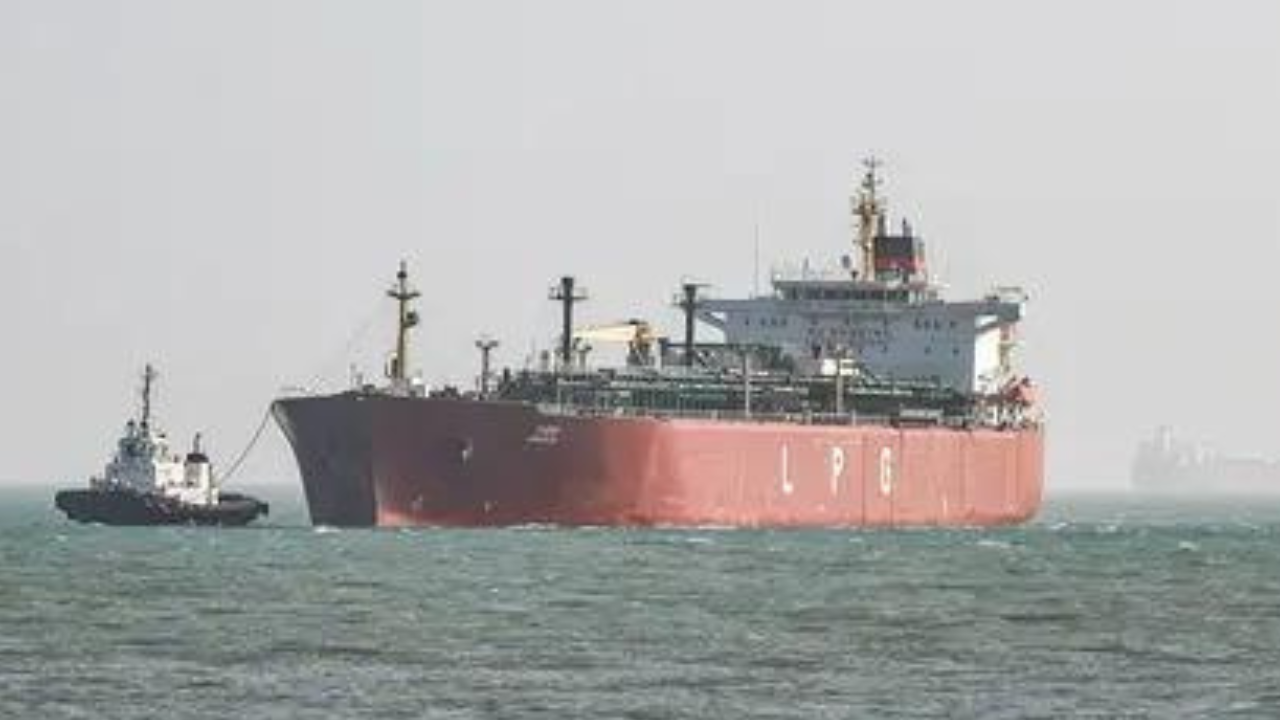
Photo Courtesy: Times of India
The remains of a Mumbai-based seafarer, tragically impacted by the ongoing Middle East conflict, have finally been repatriated to India, bringing a somber end to a period of anxious waiting for his family. Arriving at Chhatrapati Shivaji Maharaj International Airport, the coffin was received by distraught relatives and local authorities, marking a poignant moment of collective grief. The unidentified seafarer is believed to have been among those caught in the escalating hostilities, highlighting the grave dangers faced by maritime personnel navigating war-torn regions. His return underscores the devastating human cost of geopolitical tensions, extending far beyond the immediate battlegrounds to distant homes. This repatriation initiates a new, painful chapter for the family, moving from uncertainty to the grim reality of loss.
Despite the repatriation, the family's ordeal is far from over, as they are now urgently demanding definitive DNA proof to confirm the identity of the remains. Citing the horrific circumstances often associated with conflict-zone casualties and potential discrepancies in initial identification processes, relatives expressed profound uncertainty and a desperate need for scientific verification. This plea for DNA evidence is not merely a formality but a deeply emotional requirement for closure, ensuring that they are grieving for their true loved one. They have reportedly approached relevant governmental agencies and consular offices, seeking swift action and transparency in the identification process. The demand reflects a broader concern among families of seafarers who face similar perils, emphasizing the need for robust and reliable identification protocols for casualties abroad.
The tragic fate of the Mumbai seafarer brings into sharp focus the extreme vulnerability of maritime workers traversing volatile international waters, particularly those bordering active conflict zones in the Middle East. These crucial arteries of global trade have become increasingly perilous, with vessels and their crews often becoming unintended targets or collateral damage in geopolitical struggles. The incident serves as a stark reminder of the inadequate protections sometimes afforded to civilian seafarers, who are essential to maintaining global supply chains but often operate under constant threat. International maritime organizations and national governments are under increasing pressure to enhance safety measures, improve intelligence sharing, and establish clearer protocols for the protection and repatriation of seafarers caught in such crises. Ensuring the safety and definitive identification of personnel in these high-risk environments remains a critical challenge for the global shipping industry and diplomatic efforts alike.
Source: Timesofindia.indiatimes.com
Despite the repatriation, the family's ordeal is far from over, as they are now urgently demanding definitive DNA proof to confirm the identity of the remains. Citing the horrific circumstances often associated with conflict-zone casualties and potential discrepancies in initial identification processes, relatives expressed profound uncertainty and a desperate need for scientific verification. This plea for DNA evidence is not merely a formality but a deeply emotional requirement for closure, ensuring that they are grieving for their true loved one. They have reportedly approached relevant governmental agencies and consular offices, seeking swift action and transparency in the identification process. The demand reflects a broader concern among families of seafarers who face similar perils, emphasizing the need for robust and reliable identification protocols for casualties abroad.
The tragic fate of the Mumbai seafarer brings into sharp focus the extreme vulnerability of maritime workers traversing volatile international waters, particularly those bordering active conflict zones in the Middle East. These crucial arteries of global trade have become increasingly perilous, with vessels and their crews often becoming unintended targets or collateral damage in geopolitical struggles. The incident serves as a stark reminder of the inadequate protections sometimes afforded to civilian seafarers, who are essential to maintaining global supply chains but often operate under constant threat. International maritime organizations and national governments are under increasing pressure to enhance safety measures, improve intelligence sharing, and establish clearer protocols for the protection and repatriation of seafarers caught in such crises. Ensuring the safety and definitive identification of personnel in these high-risk environments remains a critical challenge for the global shipping industry and diplomatic efforts alike.
Source: Timesofindia.indiatimes.com
Original Story: Click Here (Times of India)


.jpg)


.png)


.png)


