

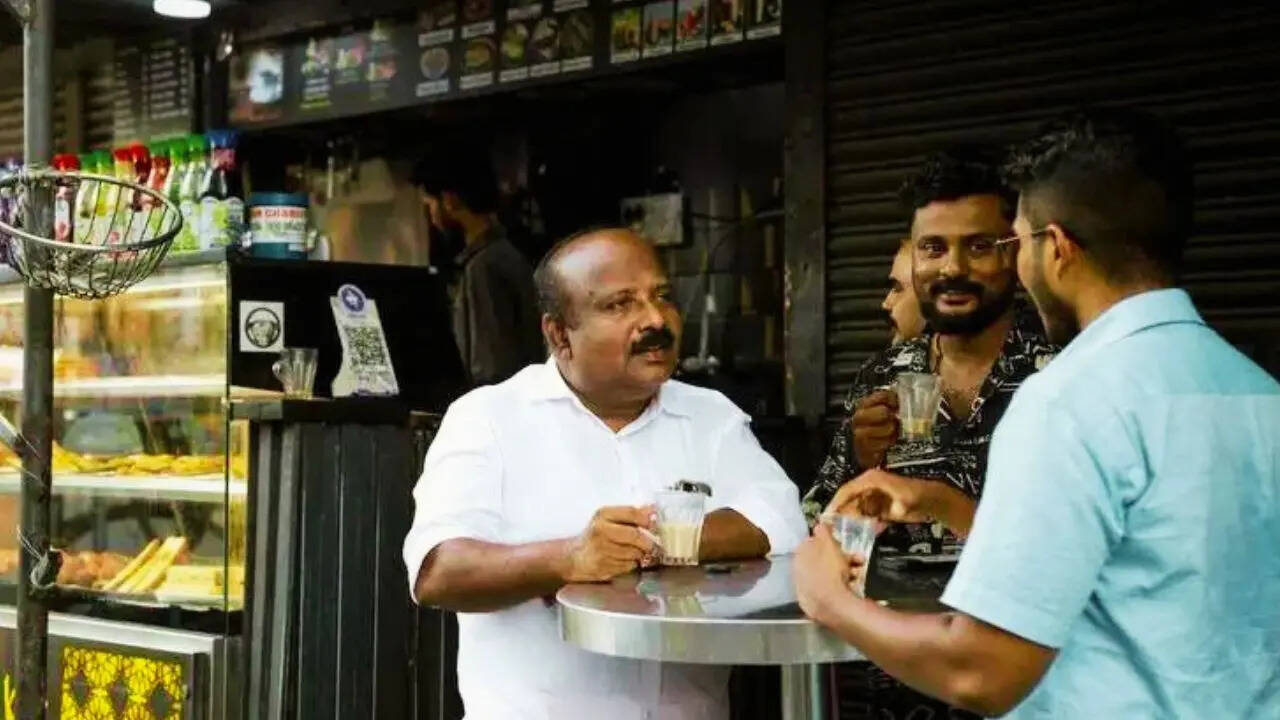
Photo Courtesy: Times of India
Kerala's political landscape is facing an unprecedented disruption as a severe shortage of Liquefied Petroleum Gas (LPG) forces the closure of numerous tea shops and small restaurants across the state. These establishments have long served as the beating heart of local communities, traditionally bustling with residents engaging in spirited socio-political discussions, exchanging news, and forming public opinion. Their sudden decline, directly attributed to the unavailability of essential cooking fuel, signifies more than just an economic setback; it marks a significant blow to the state's vibrant public sphere and its deeply rooted democratic traditions. The scarcity is creating ripple effects far beyond the culinary sector, now directly impacting the democratic process itself.
For political candidates, these unassuming tea shops and eateries are indispensable platforms for grassroots campaigning, offering an intimate and informal setting to connect with a diverse cross-section of the electorate. Unlike large rallies or formal meetings, these casual hangouts facilitate direct interaction, allowing politicians to engage in candid conversations, listen to local grievances, and articulate their vision without the usual formality of a public address. The widespread closure of these vital meeting points severely curtails a candidate's ability to "feel the pulse" of the constituency, especially in rural and semi-urban areas where such establishments are often the primary community gathering spots. This unforeseen challenge forces campaigns to rethink their outreach strategies, potentially missing out on crucial informal voter engagement.
Kerala's unique political culture is deeply intertwined with its social spaces, and tea shops, or "chayakada," hold a particularly revered status as arenas for political discourse and informal electioneering. The current LPG crisis thus threatens to erode a cherished tradition of democratic participation, where policy debates and political allegiances are often forged over a cup of tea. As these traditional conduits for political messaging falter, candidates face the daunting challenge of finding alternative, equally effective avenues to reach voters, particularly those who might not be accessible through conventional media or large-scale events. This situation highlights the unexpected ways in which basic infrastructural challenges can profoundly alter the dynamics of electoral politics, making an already competitive campaign even more complex. Source: Timesofindia.indiatimes.com
For political candidates, these unassuming tea shops and eateries are indispensable platforms for grassroots campaigning, offering an intimate and informal setting to connect with a diverse cross-section of the electorate. Unlike large rallies or formal meetings, these casual hangouts facilitate direct interaction, allowing politicians to engage in candid conversations, listen to local grievances, and articulate their vision without the usual formality of a public address. The widespread closure of these vital meeting points severely curtails a candidate's ability to "feel the pulse" of the constituency, especially in rural and semi-urban areas where such establishments are often the primary community gathering spots. This unforeseen challenge forces campaigns to rethink their outreach strategies, potentially missing out on crucial informal voter engagement.
Kerala's unique political culture is deeply intertwined with its social spaces, and tea shops, or "chayakada," hold a particularly revered status as arenas for political discourse and informal electioneering. The current LPG crisis thus threatens to erode a cherished tradition of democratic participation, where policy debates and political allegiances are often forged over a cup of tea. As these traditional conduits for political messaging falter, candidates face the daunting challenge of finding alternative, equally effective avenues to reach voters, particularly those who might not be accessible through conventional media or large-scale events. This situation highlights the unexpected ways in which basic infrastructural challenges can profoundly alter the dynamics of electoral politics, making an already competitive campaign even more complex. Source: Timesofindia.indiatimes.com
Original Story: Click Here (Times of India)


.jpg)


.png)


