

Photo Courtesy: Times of India
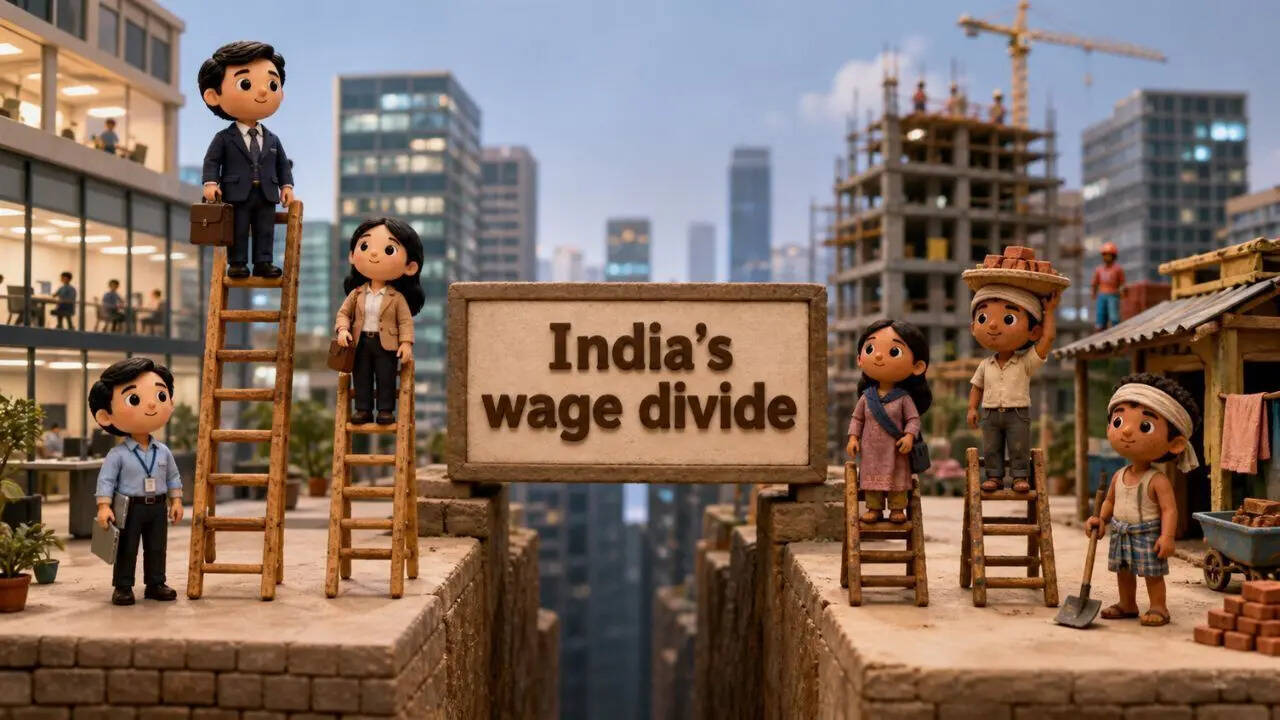
While recent data indicates an encouraging rise in India's overall workforce participation, a closer examination reveals a more nuanced and concerning reality. The headline figures, though positive, mask significant underlying disparities in the quality and security of employment. This creates a complex paradox where more individuals are engaged in work, yet a substantial segment struggles with precarious roles and inconsistent incomes, challenging the narrative of inclusive economic growth. The expansion of the workforce, therefore, demands a deeper qualitative analysis to understand its true impact on livelihoods across the nation.
A significant driver of this increased workforce engagement is the proliferation of self-employment and informal sector roles, which, despite offering an avenue for work, often come without the stability and benefits associated with formal employment. These positions typically lack guaranteed wages, social security provisions, and workplace protections, leaving workers vulnerable to economic shocks and exploitation. Consequently, a large proportion of the newly employed finds themselves in a precarious state, where the absence of predictable income streams and career progression pathways perpetuates economic insecurity rather than alleviating it. This inherent volatility underscores a critical qualitative deficiency within India's evolving employment landscape.
Further exacerbating these disparities are deep-seated socio-economic factors, particularly gender and geographical location, which heavily influence access to stable and well-paying jobs. Women, despite their increasing participation, often face systemic barriers that funnel them into lower-paid, less secure, and often invisible roles within the informal economy. Similarly, the urban-rural divide remains stark, with metropolitan areas generally offering a broader spectrum of formal employment opportunities compared to agrarian or less-developed regions. These demographic and spatial inequalities create a two-tiered job market, where the promise of opportunity is unevenly distributed, perpetuating cycles of disadvantage for vulnerable populations.
Addressing this critical imbalance requires a multi-faceted approach beyond merely counting jobs. Policy interventions must focus on formalising the informal economy, enhancing skill development programs aligned with future industry demands, and actively promoting equitable access to quality education and employment opportunities for all, irrespective of gender or region. Only by tackling these structural issues can India truly transform its burgeoning workforce into a catalyst for sustainable, inclusive prosperity, ensuring that rising employment figures translate into dignified livelihoods and economic security for every citizen.
Source: Timesofindia.indiatamples.com
Original Story: Click Here (Times of India)


.png)


.jpg)


.png)


