

Photo Courtesy: Times of India
Defying the conventional narrative often framed around a direct confrontation between prominent national figures like Prime Minister Modi and Rahul Gandhi, the upcoming 2026 electoral contests are poised to hinge less on individual national charisma and more on the intricate tapestry of regional politics. Political observers are increasingly noting that these elections will serve as a crucial test of regional resilience and the deeply rooted influence of state-level dynamics. While the visibility of national leaders on the campaign trail remains undeniable, their presence is largely symbolic, with their ability to singularly sway outcomes diminishing in favour of localized political forces. This shift marks a significant evolution in India's electoral landscape, redirecting focus from national mandates to sub-national strengths.
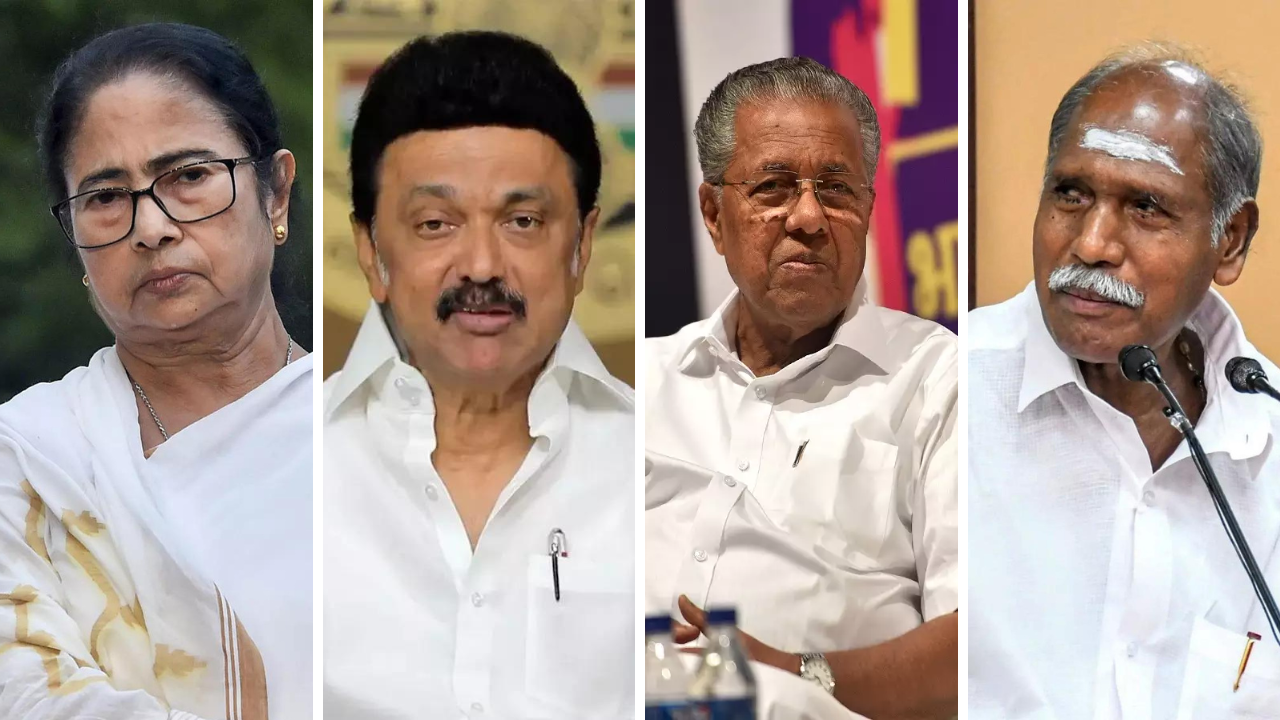
The true battles, therefore, are being fiercely contested by formidable state satraps, who are either steadfastly defending their entrenched turf or strategically maneuvering to reclaim lost relevance within their respective domains. These regional chieftains, deeply attuned to the pulse of local sentiments and issues, emerge as the decisive architects of electoral fortunes. Their campaigns are not merely extensions of national agendas but distinct narratives crafted around specific state concerns, developmental promises, and community aspirations. This emphasis on local leadership underscores a broader trend where the electorate's priorities are increasingly shaped by immediate regional governance and the perceived efficacy of state-level representatives.
Consequently, the final outcomes of these critical elections will invariably hinge on a confluence of three pivotal factors: the strength and popularity of regional leadership, the strategic formation of local alliances, and the tangible governance records of incumbent state administrations. Grassroots alliances, often built on intricate caste equations and local strongman support, play a far more significant role in mobilizing voters than overarching national party affiliations. Furthermore, the efficacy of state policies, economic performance, and the delivery of public services directly inform voter perception, often outweighing national policy debates. The 2026 elections are thus set to be a profound testament to the enduring power of regional political identity and the localized battle for influence.
Source: Timesofindia.indiatimes.com
The true battles, therefore, are being fiercely contested by formidable state satraps, who are either steadfastly defending their entrenched turf or strategically maneuvering to reclaim lost relevance within their respective domains. These regional chieftains, deeply attuned to the pulse of local sentiments and issues, emerge as the decisive architects of electoral fortunes. Their campaigns are not merely extensions of national agendas but distinct narratives crafted around specific state concerns, developmental promises, and community aspirations. This emphasis on local leadership underscores a broader trend where the electorate's priorities are increasingly shaped by immediate regional governance and the perceived efficacy of state-level representatives.
Consequently, the final outcomes of these critical elections will invariably hinge on a confluence of three pivotal factors: the strength and popularity of regional leadership, the strategic formation of local alliances, and the tangible governance records of incumbent state administrations. Grassroots alliances, often built on intricate caste equations and local strongman support, play a far more significant role in mobilizing voters than overarching national party affiliations. Furthermore, the efficacy of state policies, economic performance, and the delivery of public services directly inform voter perception, often outweighing national policy debates. The 2026 elections are thus set to be a profound testament to the enduring power of regional political identity and the localized battle for influence.
Source: Timesofindia.indiatimes.com
Original Story: Click Here (Times of India)


.jpg)


.png)


